


Navigating wildlife law can be confusing, especially when the acronym “ESA” is commonly associated with Emotional Support Animals. In this guide, however, ESA refers to the U.S. Endangered Species Act, one of the most powerful conservation laws in the world. Beyond protecting endangered animals within U.S. borders, the Act contains a set of specialized regulations that address global conservation, species recovery, and flexible management strategies.
ESA other species rules are specialized regulations under the U.S. Endangered Species Act that govern how foreign species, reintroduced experimental populations, and threatened species are protected differently from standard endangered species.
These rules exist to ensure conservation remains effective across international borders, changing recovery stages, and real-world land-use conditions, while preserving legal enforceability and cooperation among governments, landowners, and conservation agencies.
Key Takeaways
-
ESA other species rules regulate foreign species, experimental populations, and threatened species differently from standard endangered listings.
-
Foreign species listings restrict U.S. trade and conduct even when animals live entirely outside U.S. borders.
-
Section 10(j) allows reintroduced populations to be managed flexibly to support recovery without excessive local opposition.
-
Section 4(d) rules customize protections for threatened species rather than applying a one-size-fits-all approach.
-
Critical habitat designations apply domestically only and are replaced internationally by trade controls and conservation funding.
How the ESA Protects Species Beyond U.S. Borders

The Endangered Species Act has a global reach that often surprises people. Its authority is not limited to American soil. Instead, it regulates U.S. involvement in activities that contribute to extinction risk, regardless of where a species lives.
These protections are implemented and enforced by the U.S. Fish & Wildlife Service, which evaluates species status based on biological risk, not geography. This approach reflects a central conservation reality. Global markets, not borders, often drive species decline.
What is a Foreign Species Listing?
A foreign species listing occurs when the U.S. government classifies a species living entirely outside the United States as endangered or threatened under the ESA.
The listing is based solely on conservation status. Habitat location and national jurisdiction are irrelevant to the determination itself.
Foreign listings trigger U.S. legal protections designed to prevent American individuals, companies, and markets from contributing to poaching, trafficking, or overexploitation. At one point, the ESA protected thousands of foreign species, illustrating how frequently U.S. demand intersects with global wildlife decline.
Protections and Trade Restrictions for Foreign Species
Once a foreign species is listed, ESA prohibitions apply to anyone under U.S. jurisdiction, including:
-
Importing or exporting the species or its parts
-
Commercial trade across state or international lines
-
Possession or sale of specimens taken illegally
-
“Take” of the species on the high seas or within U.S. jurisdiction
These restrictions function by eliminating U.S. market incentives rather than attempting to regulate habitat abroad.
To enforce them, federal wildlife inspectors monitor large volumes of international wildlife trade at major U.S. ports of entry, focusing on deterrence rather than after-the-fact recovery.
ESA vs. CITES: Why They Are Not the Same
ESA listings are frequently confused with CITES protections, but the two systems serve different roles.
The Convention on International Trade in Endangered Species of Wild Fauna and Flora is a multilateral agreement that regulates international trade among participating countries. It does not prohibit possession, domestic commerce, or take by itself.
The ESA, by contrast, is U.S. law with broader reach. It regulates trade, possession, conduct, and commercial activity by U.S. persons, even outside U.S. borders.
Because of this difference:
-
A species may be protected under CITES but not the ESA
-
A species may be listed under the ESA even if CITES does not apply
ESA protections are often stricter and more comprehensive.
Hunting Abroad and Importing Trophies
The ESA cannot prohibit a U.S. citizen from legally hunting a species in another country if that country’s laws allow it. However, importing a trophy from an ESA-listed species is tightly regulated.
A permit is required, and it is granted only if the activity demonstrably enhances the survival of the species in the wild. This standard requires evidence that hunting revenue supports conservation outcomes such as habitat protection, population monitoring, or anti-poaching enforcement. Without documented conservation benefit, trophy imports are denied.
Critical Habitat and International Efforts
Critical habitat designations apply only within the United States. U.S. law cannot regulate land or water use in foreign countries.
Instead of habitat mandates, international conservation relies on:
-
Trade restrictions
-
Diplomatic cooperation
-
Conservation grants and enforcement support
Through international programs, U.S. funding supports on-the-ground conservation for species such as elephants, rhinos, and large carnivores where direct regulation is not legally possible.
A Second Chance: Reintroducing Species with Experimental Populations

Section 10(j) of the ESA allows listed species to be reintroduced into historical habitat under specially tailored rules known as experimental population designations.
This provision exists to balance recovery goals with social and economic realities. Strict protections can provoke opposition that undermines long-term conservation success.
What is a Section 10(j) Experimental Population?
A Section 10(j) experimental population is a group of a listed species released into suitable habitat outside its current occupied range.
The designation allows wildlife managers to create population-specific rules that support recovery while addressing landowner and community concerns.
Well-known examples include gray wolves and California condors, both reintroduced using this framework.
Essential vs. Nonessential Experimental Populations
Every experimental population must be classified as either essential or nonessential.
-
Essential means the population is critical to species survival
-
Nonessential means its loss would not jeopardize the species as a whole
To date, all experimental populations have been designated nonessential. This choice maximizes management flexibility and reduces regulatory burdens on surrounding communities while still supporting recovery.
How Protections Differ for Experimental Populations
Nonessential experimental populations are subject to modified ESA protections:
-
Federal projects require informal conferencing rather than full consultation
-
Critical habitat is not designated
-
Management discretion is expanded
An important exception applies when these populations occur within National Parks or Wildlife Refuges, where full threatened-species protections are restored.
Tailored Protections for Threatened Species Under Section 4(d)
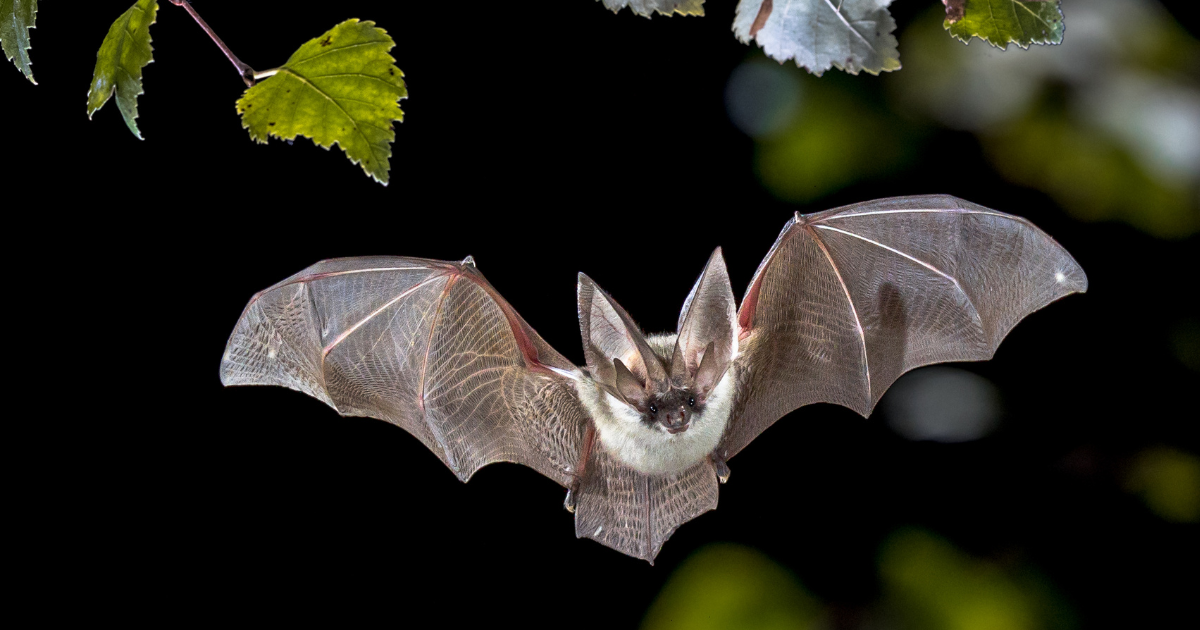
The ESA distinguishes between endangered and threatened species to allow regulatory flexibility.
Section 4(d) rules authorize agencies to define which activities are prohibited or permitted for threatened species based on what is necessary and advisable for conservation.
Blanket 4(d) Rule vs. Species-Specific Rules
Under the reinstated blanket 4(d) rule, newly listed threatened species receive default protections unless modified.
Agencies may also issue species-specific 4(d) rules that allow beneficial activities such as habitat restoration, agriculture, or land management when those actions support recovery rather than harm it.
The “Necessary and Advisable” Standard
Recent court decisions clarified that agencies must consider more than biological need when crafting 4(d) rules. Economic, social, and practical impacts may also be evaluated.
This interpretation strengthens the legal durability of 4(d) rules and reduces the likelihood of successful challenges.
Clarifying Permitted Activities and “Take”
Across ESA other species rules, defining what constitutes “take” is essential.
Take includes actions that harm, harass, kill, or significantly impair essential behaviors through habitat modification.
Many 4(d) and 10(j) rules explicitly allow limited incidental take when it results from routine activities that ultimately benefit conservation outcomes. Clear boundaries reduce uncertainty and encourage voluntary compliance.
If you need help navigating your ESA housing rights in “no pets” housing, it is important to consult resources that focus on the Fair Housing Act. To learn more about getting a legitimate ESA letter, you can explore the straightforward process with Emma & Buddy.
Frequently Asked Questions About ESA Other Species Rules
What are ESA other species rules?
The term ESA other species rules refers to the various regulations under the Endangered Species Act that provide protections for species beyond the standard rules for U.S. endangered animals. This includes rules for foreign species, reintroduced experimental populations, and customized protections for threatened species.
Can the U.S. Endangered Species Act protect an animal in another country?
Yes. The ESA allows for the listing of foreign species, which makes it illegal for anyone under U.S. jurisdiction to trade, import, or export them. While the U.S. cannot enforce habitat laws in other countries, these trade restrictions help reduce threats driven by the American market.
What is the main difference between an endangered and a threatened species?
An endangered species is one that is in danger of extinction throughout all or a significant portion of its range. A threatened species is one that is likely to become endangered in the foreseeable future. Endangered species receive automatic protections, while threatened species are protected by customized 4(d) rules.
Why would a reintroduced animal population have fewer protections?
Reintroduced populations are often designated as “nonessential experimental” to provide management flexibility. This approach helps gain support from local communities and landowners by relaxing certain regulations, such as those related to federal project consultations and critical habitat, making recovery efforts more cooperative.
Does the ESA stop U.S. citizens from hunting lions in Africa?
No, the ESA cannot prohibit a legal hunt in another country. However, it heavily regulates the importation of hunting trophies from listed species like lions. A permit is required, and it will only be issued if the hunting program is proven to benefit the conservation of the species.
I need an ESA letter for my pet, is this the right law?
No, the Endangered Species Act is for wildlife conservation. If you need an Emotional Support Animal (ESA) letter for housing, that is covered by the Fair Housing Act (FHA). Start with our step-by-step ESA accommodation process to see what to submit and when.