
Why Do Pets Look Like Their Owners? The Science Explained
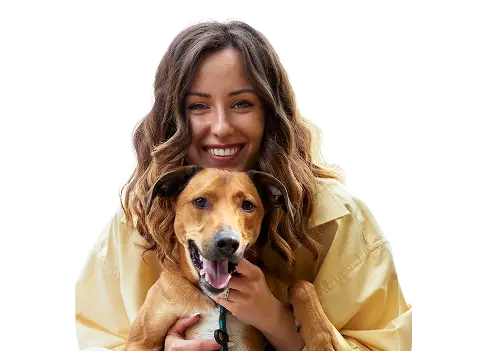
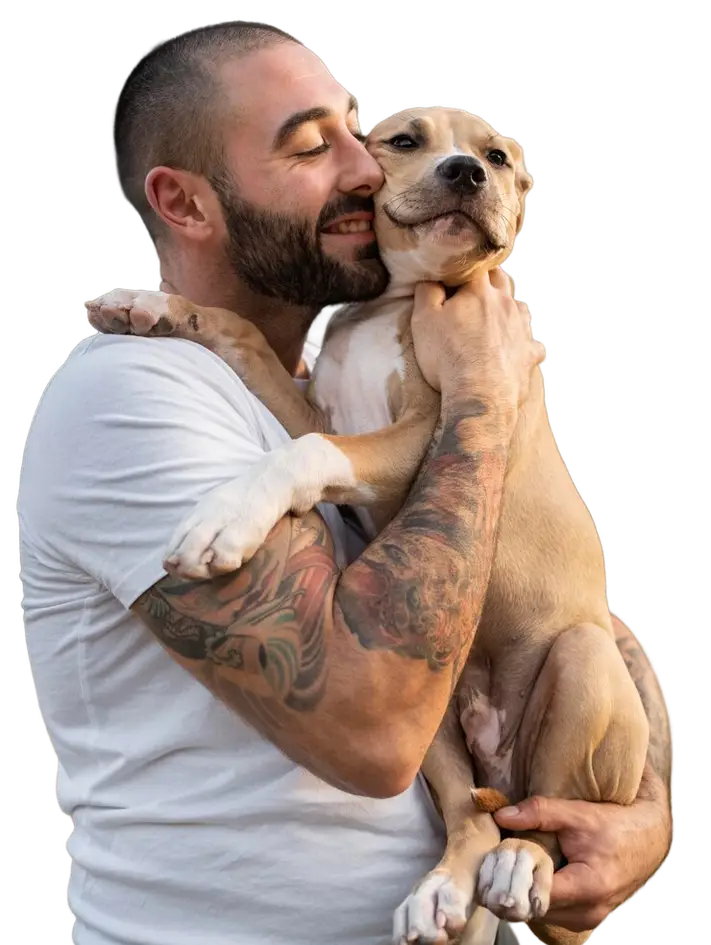
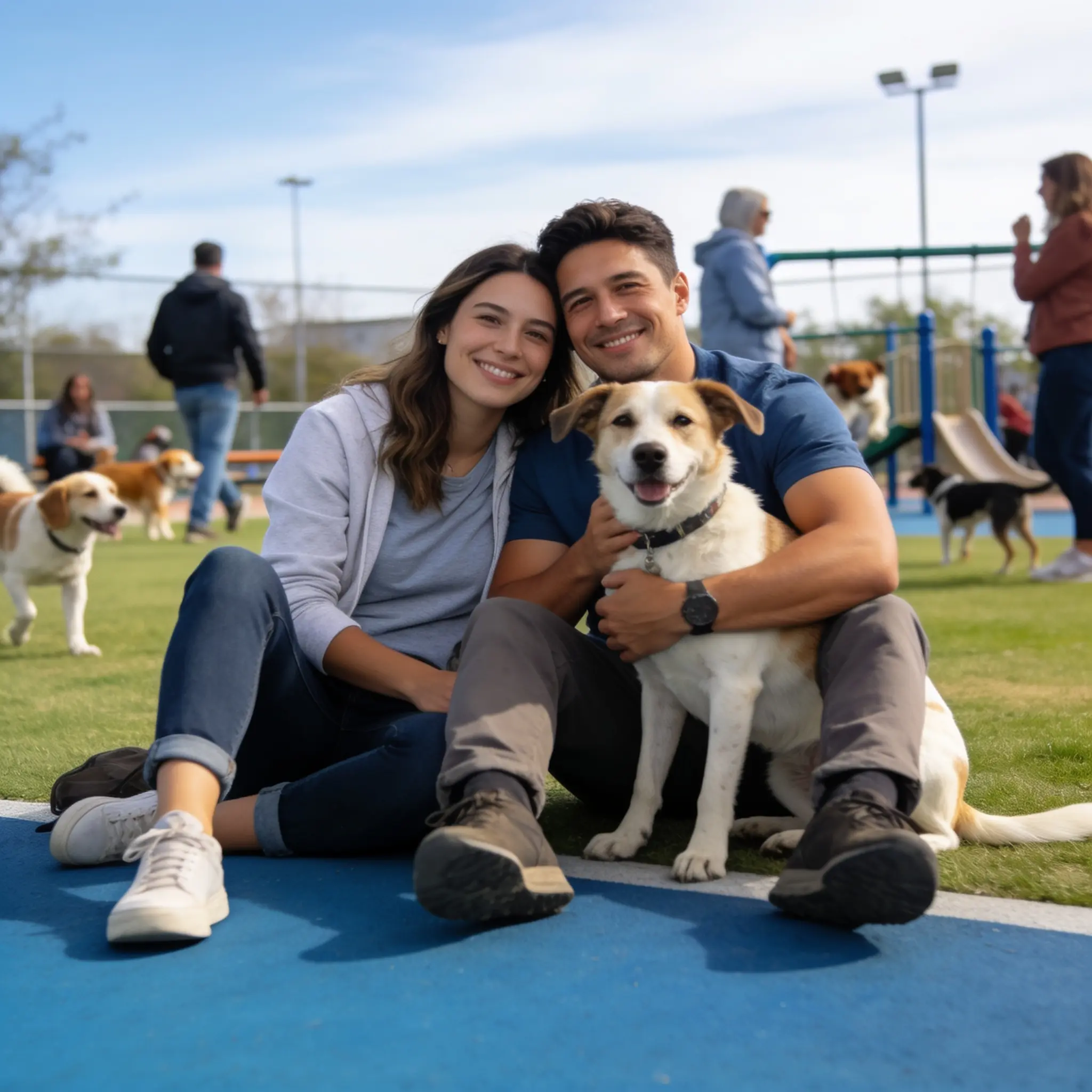
Walk a dog park and you will see it: a person and a dog who seem to belong in the same family photo. The question of why do pets look like their owners has been tested in labs, not only in memes. People can match many dogs to their people from still pictures. The effect is strongest with dogs and weaker, or at least less studied, with cats.
This article walks through the science behind pets looking like owners. You will see what selection bias is, which features people notice, why dogs stand out, and how years together can add a second layer of likeness. You will also see where the evidence is solid and where it is still a good story waiting on more data.
The Science Behind Pet-Owner Resemblance
Researchers have asked strangers to pair photos of dogs and owners. They do this without names, homes, or outfits as clues. People succeed more often than chance. That is the core finding behind pet owner resemblance.
What the studies show
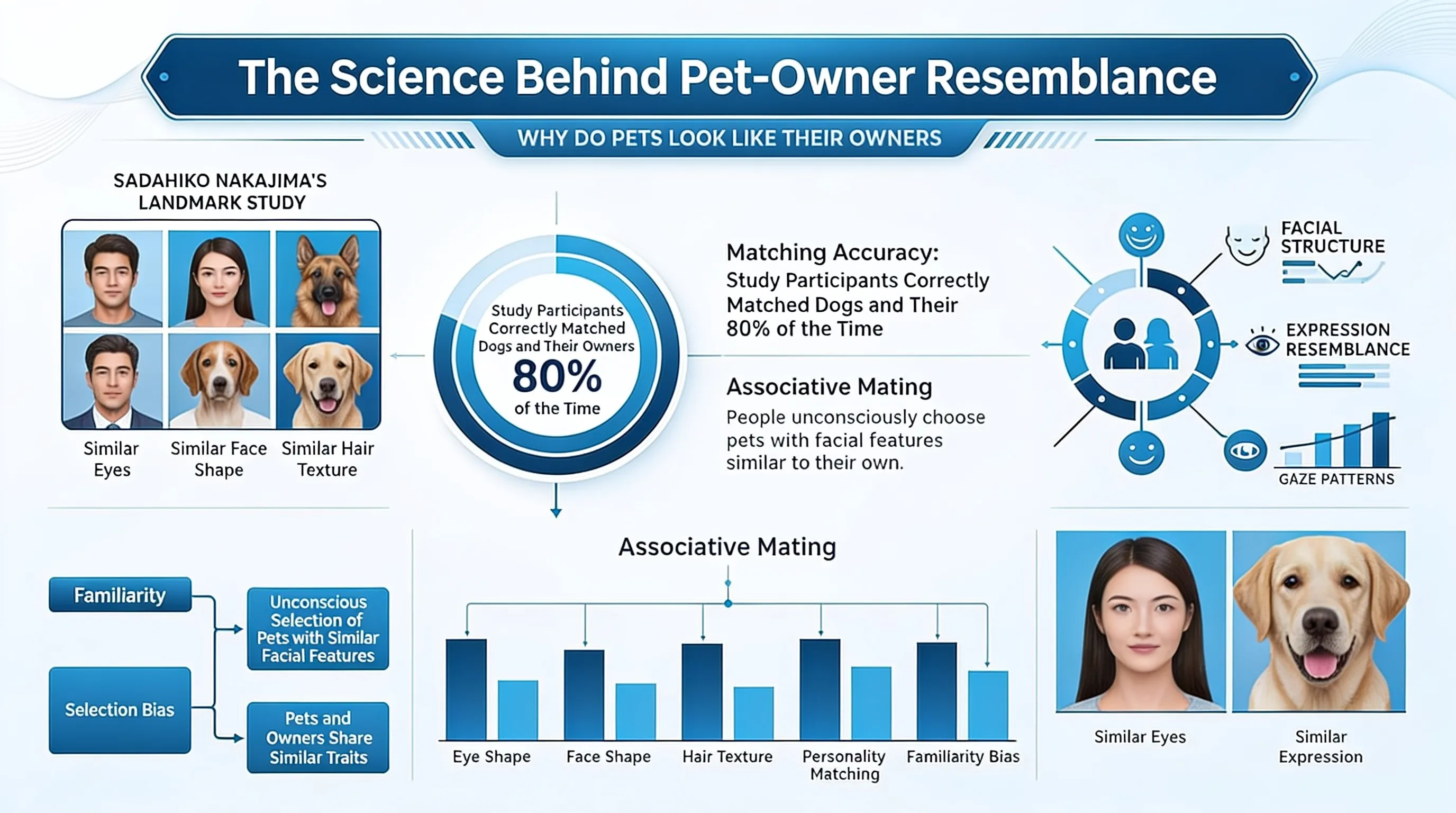
Japanese psychologist Sadahiko Nakajima ran well-known matching tests. Participants saw dog faces and human faces separately. In some conditions, they matched pairs correctly around 80 percent of the time. Eyes mattered most. Hair or coat texture and overall face shape also helped.
Earlier work by Michael Roy and Nicholas Christenfeld, published in Psychological Science, found that people could match dogs to owners above chance and that the effect was clearer for purebreds. Mixed-breed faces vary in less predictable ways, so the match is harder to see. National Geographic’s summary of this research line is a useful public overview.
These studies do not say every pet is a mini-me. They say the look-alike pattern is real enough that strangers can spot it.
Selection bias
Most of the effect likely starts at the shelter or breeder, not after years on the couch. Your brain likes what it already knows. You see your own face in mirrors and photos every day. That mere-exposure effect makes similar eyes, hair, or face width feel comfortable.
You rarely think, “I want a dog that looks like me.” You feel a pull. The puppy with the familiar eyes stays in your mind. Another puppy, equally sweet, does not. That is selection bias. It is also why pets that look like their owners are such a common photo genre. The pair was often a match before anyone noticed.
Psychology in the moment of choice
Faces are special to the human brain. We process them fast. A familiar pattern feels safe. First-time owners may lean on that gut feeling more than experienced owners, who also weigh energy, shedding, and training time.
Psychology Today’s review of the look-alike research stresses the same point: the choice is often visual and unconscious, then we invent a story about why that animal felt right.
How People Pick a Look-Alike Pet
The process is quick. You scan a row of kennels or a grid of adoption photos. Certain faces stop you. Researchers have tried to name the traits that stop people most often.
Unconscious scanning
Your visual system hunts for known shapes. Round eyes, a wide face, a long narrow muzzle, a certain ear set. You feel “this one” before you can explain it. That is dog owner similarity in the making.
Practical filters still matter. A runner may skip a short-faced breed for breathing and heat reasons. A renter may skip a dog that will not pass a pet-friendly lease. Looks start the attraction. Logistics can still veto it.
Features people notice
Across write-ups of the photo studies, the eye region is the star. People with large, round eyes often pair with dogs that have an open, round-eyed look. Narrower human eyes more often pair with almond-shaped dog eyes.
Coat and hair get casual credit too. Curly hair next to a poodle mix, or short hair next to a smooth, upright-eared dog, makes a tidy picture. Face width is another repeated note: broader human faces with broader dog heads, longer human faces with longer muzzles.
Treat viral “twin” photos with care. Owners post the shots that prove the joke. Science is about the pairs that still match when the photo is not posed for a laugh.
Personality sits next to the face
Pet personality and owner resemblance travel together. Active people often want a dog that can hike. Quiet people often want a cat or a lower-energy breed. You then spend years in the same rhythm, which makes the pair look even more “the same type.”
If you care about the habit side of that match, how dogs teach responsibility is a useful companion read. Shared routine is part of why we see ourselves in them.
Do Dogs Look Like Their Owners More Than Cats?
Short answer: the data says dogs, especially purebreds. The question “do dogs look like their owners” has been tested. “Do cats look like their owners” has been asked more than it has been measured.
Why dogs show a stronger pattern
Dog breeds were built for different jobs, so faces differ a lot. A bulldog, a collie, and a greyhound give you clear lines to compare with a human face. People also shop for dogs by look. Breed photos are part of the decision.
The AKC’s look-alike overview makes the same practical point: when you pick a breed, you pick a face plan. That makes why dogs resemble their owners easier to see and easier to study.
Dogs may also mirror us after adoption. They watch our faces. Research on canine face recognition shows dogs can tell familiar human faces apart. A dog that tracks your eyes and brows will, over time, offer expressions you recognize. That is not bone structure changing. It is a living feedback loop.
Why cats are harder to judge
Cat owners often lead with personality: independent, lap-loving, playful, vocal. Face comes second. Most household cats also share a similar head shape compared with the spread of dog breeds. There is less variation for a stranger to use in a matching test.
People still post cat-owner twins. Some pairs are striking. Until more controlled cat studies exist, treat those as delightful anecdotes. The science behind pets looking like owners is, today, mostly a dog story.
What Years Together Add
The first choice can create the look. Time can thicken it.
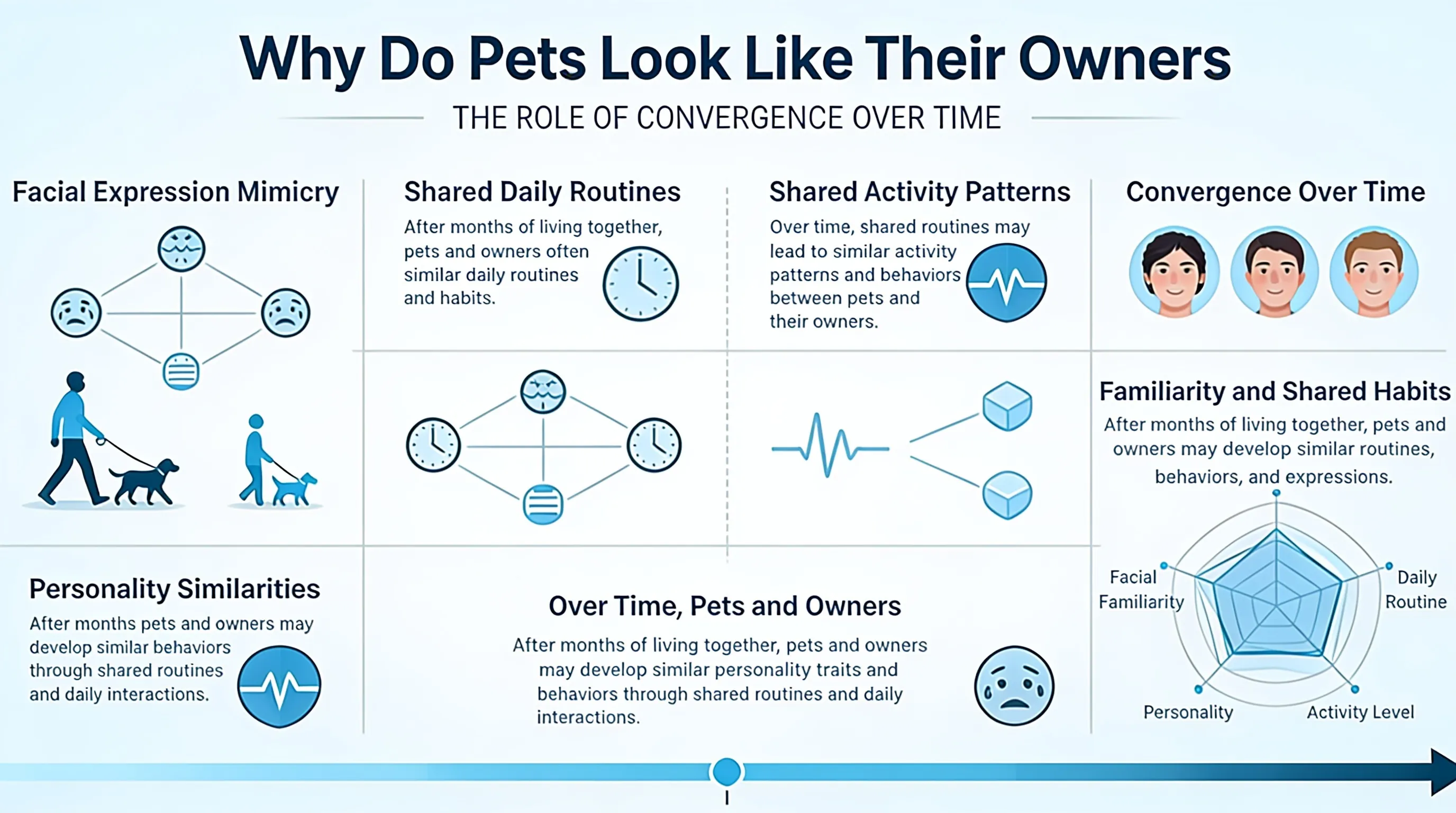
Shared days, shared look
You eat on a schedule. You walk or you do not. You sleep at certain hours. An active owner often has a leaner, more tired-at-night dog. A quiet owner often has a pet that has learned the couch is the job. Weight, coat care, and posture can start to rhyme.
This is not magic. It is environment. Two beings in one house pick up the same weather, the same stress, and the same Saturday routine.
Mimicry
You raise your brows. Your dog lifts its head. You soften your eyes. The dog blinks. Over months, those exchanges become a private language. Friends say you “make the same face.” They are often talking about timing and expression, not a new jawline.
Photography adds a bias. You keep the shot where both of you tilt your heads. You delete the rest. That album will convince anyone, including you.
How much time
Writers often say the likeness is faint in year one and easier to see after several years. That matches everyday observation better than any single number. If you adopted last month and you already look related, you probably chose the face. If you have lived together for five years and people comment now, you are seeing choice plus practice.
What to Do With This
The next time you visit a shelter, notice which kennel you stop at first. Ask whether you like the animal or the familiar face. Then check the parts that matter for life: energy, health, housing rules, and whether you can keep the daily promises of care.
A look-alike pair can be a joy. It is not a reason to skip temperament. The best match is the animal you can care for well, whether or not you share the same eyebrows.
Emma & Buddy publishes clear, research-minded guides for people who want to understand their pets and keep them close. If you came for the meme, you can stay for the studies. They are more interesting than the joke.



 Ask ChatGPT
  Ask Claude
  Ask Perplexity